
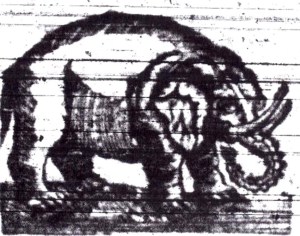
“A short distance around the corner from Smith and Sabin, and just beyond the old wading-place, was the shop where, “At the Sign of the Elephant,” James Green sold ‘A Large and Compleat Assortment of Braziery, English Piece Goods, Rum, Flax, Indigo, and Tea.’ – Gertrude Selwyn Kimball in “Providence in Colonial Times,” 1912

Thank you for visiting Sign of the Elephant, a Rhode Island-based curiosities shop selling everything from the most mundane items to distinctive oddities.
The business, which was resurrected in 2016, has its origins in an eponymous little store run by a shopkeeper named James Green in Providence, Rhode Island, more than 200 years ago. Located near the modern-day intersection of Canal and Steeple streets, James Green’s shop near a literal elephant sign peddled luxury goods like tea, silks and indigo shipped across the Atlantic Ocean from England to the people of Providence.
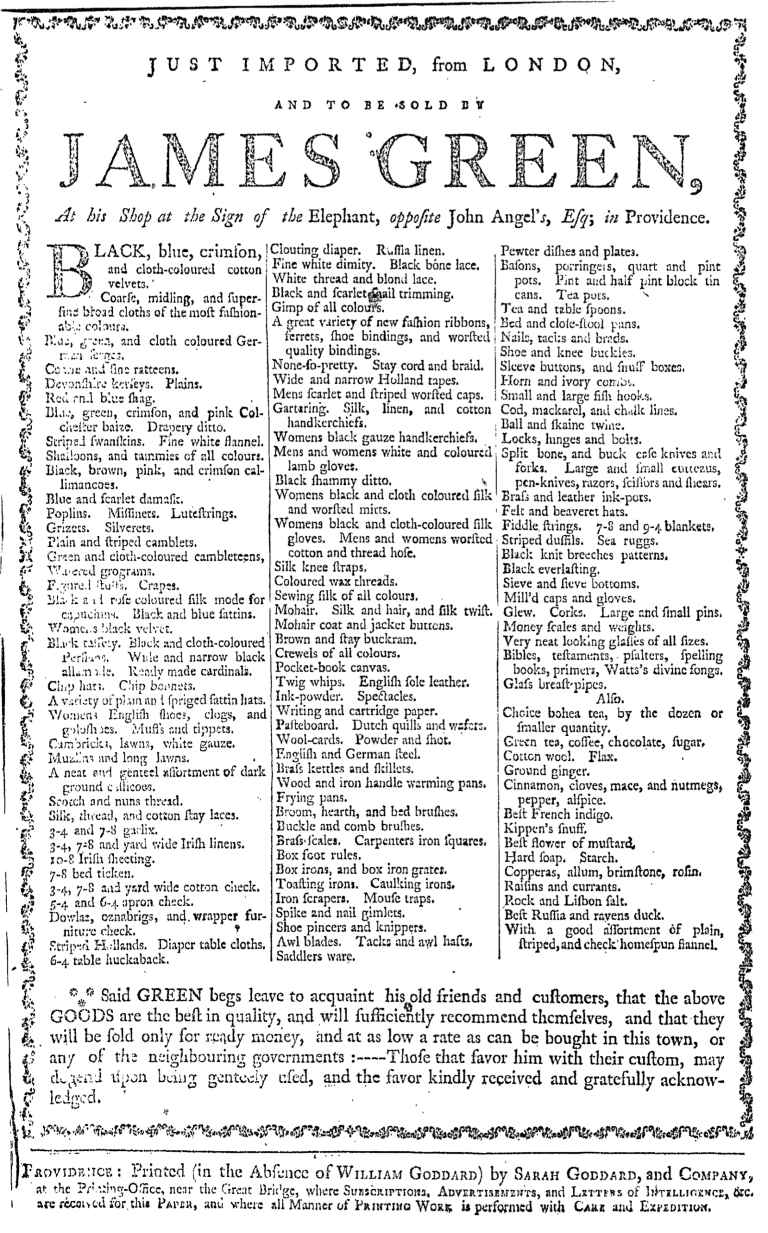
One of the first businessmen to take advantage of expensive full-page advertisements in the then-new newspaper, the Providence Gazette, in 1767, Green promoted himself as the arbiter of exotic items like spices but emphasized his cheap prices — something we here at the Sign of the Elephant still do today.
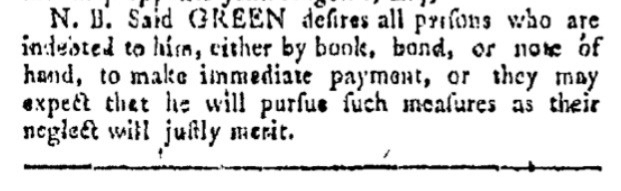
Green appears to have been an industrious forethinker with a personality that valued efficiency. As the folks at the Adverts 250 project tell it, at least one of his ads appears to have been a plagiarized version of another business’s ad. And he had no tolerance for debtors who refused to pay.
Though the first references to Green’s shop appear in 1759, he is perhaps best known for his appearance in a piece of fiction writing decades after his death.
In September 1925, acclaimed Rhode Island author H.P. Lovecraft read a 1912 book 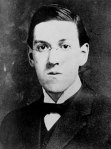 titled “Providence in Colonial Times.” The text by Gertrude Selwyn Kimball described the town of Providence and its businesses as they existed in the colonial era, and it profiled several of the town’s businesses based on historical data.
The names of several individuals within the text, including shopkeeper James Green and his “Sign of the Elephant” business, were then incorporated into Lovecraft’s 1927 work, “The Case of Charles Dexter Ward.”
“Such shopkeepers as James Green, at the Sign of the Elephant in Cheapside,” is forever enshrined in Lovecraft’s text, and through the dedication of our own shopkeeper and the rest of our staff, the store’s name and reputation for exotic and cheap goods continues on.
 Sign of the Elephant